
Staff Contact: Tara Shiffert TShiffert@njamhaa.org | (609) 838-5488 x218 | (609) 780-3695 (cell)
ADA Accessibility & Accommodations
The facility is ADA accessible and committed to providing an inclusive and welcoming environment for all attendees.
If you require an ADA accommodation or have questions regarding accessibility, please contact:
Tara Shiffert
📞 (609) 780-3695
📧
tshiffert@njamhaa.org
Please contact us with any accessibility needs or concerns so we can help ensure a comfortable conference experience.
Fall Conference was October 20, 2026

Rates
🎉 BRING YOUR TEAM & SAVE!
Planning to attend the NJAMHAA Fall Conference 2026? Bring your colleagues and save with our group registration offer!
BUY 5, GET 1 FREE!
Register 5 attendees and receive the 6th registration FREE!
To receive the Flash Sale rate, both registration and payment must be completed by:
September 30, 2026
More
Member Rates
Flash Sale Rate
$150
Regular Rate
$190
Awards Ceremony & Lunch Only
$50
Nonmember Rates
Flash Sale Rate
$310
Regular Rate
$375
Student Rate
Student Registration
$120
Flash Sale Deadline
Cancellation, Substitution & Refund Policy
More
Substitutions
Substitutions for exhibitors and attendees are permitted.
Cancellation Requests
Sponsors, exhibitors, advertisers, and attendees must submit all cancellation requests in writing by emailing Tara Shiffert.
Refund Schedule
30 or More Calendar Days Before the Conference
Cancellation requests must be received by 4:00 p.m.
Refund: 100% of the registration fee
15–29 Calendar Days Before the Conference
Refund: 50% of the registration fee
14 Calendar Days or Fewer Before the Conference
No refunds will be issued.
See our CE Policy See the Instructions to get and print your CEs. See our Grievence Policy
Important: Phone calls and voicemail messages will not be accepted as methods of cancellation.
Registering a Group? We’re Here to Help!
Conference Schedule
October 20, 2026
8:00 AM – 9:00 AM
Open Registration, Continental Breakfast & Vendor Browsing
9:00 AM – 9:15 AM
Welcome & Introduction
Speaker: Debra L. Wentz, PhD
President & Chief Executive Officer
New Jersey Association of Mental Health and Addiction Agencies, Inc. (NJAMHAA)
More
Presenter
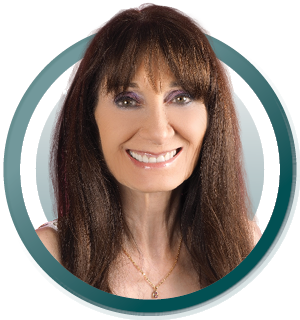
Speaker: Debra L. Wentz, PhD
President & Chief Executive Officer
New Jersey Association of Mental Health and Addiction Agencies, Inc. (NJAMHAA)
Dr. Debra L. Wentz is President and CEO of NJAMHAA and Executive Director of its 501(c)(3) affiliate, the New Jersey Mental Health Institute (NJMHI). She is dedicated to improving lives by transforming perceptions of mental health and addiction among government officials, corporate leaders, the media, and the public through innovative advocacy, communications, and education.
Under her leadership, NJAMHAA received the Advocacy Leadership Award for Organizational Excellence from the National Council for Mental Wellbeing in 2020. Dr. Wentz has been honored with numerous state and national awards for her contributions.
A recognized expert in mental health and substance use issues, she is frequently featured and cited in the media. Dr. Wentz serves on multiple state and national boards and committees, including as Chair of the New Jersey Governor’s Council on Mental Health Stigma and member of the New Jersey Opioid Recovery and Remediation Fund Advisory Council.
Her academic achievements include a doctoral degree from the University of Paris, France; a second PhD and an MA from the University of Connecticut; an Executive MBA from the Wharton Business School’s Alternative Careers Program at the University of Pennsylvania; and a BA from Goucher College.
9:15 AM – 10:15 AM
Keynote Address (1.K)
🎓 1.0 General CE
Session Title: Medicaid in Transition: What H.R. 1 Means for Behavioral Health and the Safety Net
Presenter:
Carole Johnson
Chief Executive Officer and President
University Hospital
More
Presenter
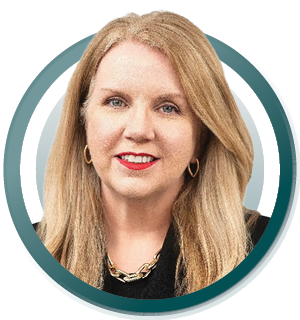
Carole Johnson
Chief Executive Officer and President
University Hospital
Carole Johnson is a nationally recognized health care leader with decades of experience advancing health equity and expanding access to care for underserved communities. She currently serves as President and CEO of University Hospital, New Jersey’s only public academic medical center.
Previously, Johnson served as Administrator of the federal Health Resources and Services Administration (HRSA) and as Commissioner of the New Jersey Department of Human Services, where she oversaw the state’s largest Cabinet-level agency and helped strengthen Medicaid, behavioral health, maternal health, and social service programs.
Johnson has also served in both the Obama-Biden and Biden-Harris White Houses, working on major health care and public health initiatives, including the Affordable Care Act, the opioid epidemic, maternal health, and the federal responses to COVID-19, Ebola, and Zika.
Throughout her career, she has focused on strengthening the health care safety net, improving access to mental health and substance use disorder services, addressing health disparities, and building stronger systems of care for communities in need.
📖 Course Description
Carole Johnson will provide a timely overview of the Medicaid changes associated with H.R.1 and explore their potential impact on individuals with mental health and substance use disorders, behavioral health organizations, hospitals and other safety-net providers. The discussion will examine how changes to Medicaid eligibility, enrollment requirements, federal and state funding, and coverage policies could affect access to behavioral health services and the ability of providers to meet growing community needs. It will also consider the broader implications for states, including potential financial pressures, changes in reimbursement and challenges in maintaining a strong and accessible behavioral health safety net.
Attendees will gain insight into what these Medicaid changes may mean for the future of funding, service delivery and access to mental health and substance use disorder treatment, as well as key issues behavioral health leaders and providers should be preparing for as implementation moves forward.
🎯 Learning Objectives
- Describe how these Medicaid changes may affect access to mental health and substance use disorder services for individuals and communities.
- Discuss how changes in federal and state Medicaid funding could influence reimbursement, service delivery and the long-term sustainability of the behavioral health safety net.
- Identify key considerations behavioral health leaders and providers should monitor and prepare for as Medicaid changes are implemented.
👥 Target Audience
Behavioral health professionals and organizational leaders.
📊 Audience Level
All levels.
🎓 Credits
1.0 General Continuing Education credit.
10:15 AM – 10:45 AM
Morning Break & Vendor Browsing
Morning Breakout Sessions
10:45 AM – 11:45 AM
Session 1.1 Mental Health and Dual Diagnosis
🎓 1.0 General CE
Presenter:
Melissa Cheplic, MPH, NADD-CC, DrPH(c)
Senior Training and Consultation Specialist in Behavioral Health, University Instructor, Health Researcher
The Boggs Center on Disability and Human Development, Rutgers Medical School
More
Presenter
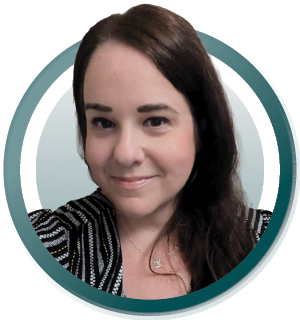
Melissa Cheplic, MPH, NADD-CC, DrPH(c)
Senior Training and Consultation Specialist in Behavioral Health, University Instructor, Health Researcher
The Boggs Center on Disability and Human Development, Rutgers
Melissa Cheplic is a Senior Training and Consultation Specialist at The Boggs Center on Disability and Human Development at Rutgers Medical School. She designs and delivers training and technical assistance to community providers, state agencies, health professionals, and University students. Melissa holds a Master’s degree in Public Health and is a NADD (The National Association for the Dually Diagnosed) certified clinician in dual diagnosis and a Doctor of Public Health (DrPH) candidate at Rutgers University.
Melissa has developed and presented nationally recognized curricula on behavior and mental health, health promotion and access, emergency preparedness, and workforce development. She coauthored the training manual, Mental Health Approaches to IDD and is featured in the book, The Good Stuff: Practical Positive Supports for People with IDD and Mental Illness.
📖 Course Description
This session provides an overview of intellectual and developmental disabilities (IDD) and co-occurring mental health conditions, with a focus on improving understanding and care for individuals with dual diagnoses. Participants will explore the increased risk factors and vulnerabilities for mental health conditions among people with IDD, recognize common signs and symptoms, and examine the challenges and barriers that can delay or complicate accurate diagnosis. The session will also discuss the impact of co-occurring conditions on quality of life, daily functioning, and access to services. Practical tools, resources, and strategies will be shared to strengthen collaboration across behavioral health, IDD, healthcare, and community service systems, helping professionals provide more coordinated and effective support.
🎯 Learning Objectives
- Describe indicators of a possible mental health condition in people with IDD.
- List the barriers to assessment and diagnosis of mental health conditions in people with IDD.
- Define the impact of mental health symptoms on behavior and quality of life and share tools to improve outcomes
👥 Target Audience
Disability Service Providers, Social Workers, Counselors
📊 Audience Level
Beginner, Intermediate
🎓 Credits
1.0 General Continuing Education credit.
10:45 AM – 11:45 AM
Session 1.2 Masking, Burnout, and Addiction: Understanding Substance Use in Neurodivergent Adults
🎓 1.0 Clinical CE
Presenter: Katherine Grey, LPC, LCADC, CCS, ACS
Regional Executive Director
Forge Health New Jersey
More
Presenter
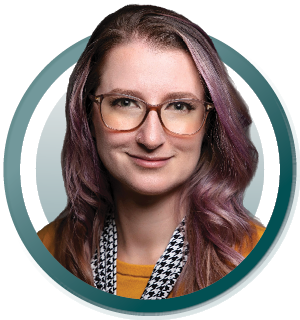
Katherine Grey, LPC, LCADC, CCS, ACS
Regional Executive Directo
rForge Health New Jerse
Katherine Grey is a Regional Executive Director at Forge Health, overseeing behavioral health and substance use treatment programs across New Jersey. With more than 15 years of experience in behavioral health care, she has held executive leadership roles spanning outpatient, intensive outpatient, residential, and community-based treatment settings. Katherine specializes in substance use disorders, co-occurring mental health conditions, clinical program development, and workforce leadership.
In addition to her executive leadership role, Katherine maintains a private practice and is a recognized presenter on innovative approaches to addiction treatment. She is the author of the forthcoming book Exposure- and Acceptance-Based Treatment for Substance Use Disorders and Relapse Vulnerability: The EXACT Recovery Model (Routledge/Taylor & Francis, 2027) and has presented nationally on integrating exposure- and acceptance-based approaches to substance use treatment.
📖 Course Description
Increasing numbers of adults entering behavioral health and substance use treatment are being identified as having autism, attention deficit hyperactivity disorder (ADHD), or AuDHD (co-occurring autism and ADHD). Many of these individuals have spent years masking symptoms, adapting to environments not designed for their neurotypes, and relying on maladaptive coping strategies to manage chronic stress, sensory overwhelm, social exhaustion, and emotional dysregulation. As a result, traditional treatment approaches may inadvertently miss key drivers of substance use, relapse vulnerability, treatment disengagement, and burnout.
This session explores the intersection of neurodivergence, masking, burnout, and substance use disorders through a trauma-informed and neurodiversity-affirming lens. Participants will examine how chronic masking contributes to psychological distress, how burnout differs from depression and lack of motivation, and why many neurodivergent individuals use substances as a form of self-regulation rather than recreation alone.
Drawing from current research, clinical experience, and emerging best practices, attendees will learn practical strategies for adapting substance use and mental health treatment for adults with autism or AuDHD. The presentation highlights common barriers to engagement, modifications to traditional recovery models, and interventions that support psychological flexibility, emotional regulation, sensory needs, and sustainable recovery.
🎯 Learning Objectives
- List factors such as masking, sensory overwhelm, executive functioning challenges, and neurodivergent burnout that increase substance use risk and treatment barriers in adults with autism or AuDHD.
- Describe neurodivergent burnout from depression, low motivation, and treatment resistance in behavioral health settings.
- Define neurodiversity-affirming treatment strategies that support engagement, emotional regulation, and recovery outcomes for adults with autism or AuDHD.
👥 Target Audience
Clinicians, Prescribers, Other Healthcare Professionals
📊 Audience Level
Intermediate
🎓 Credits
1.0 Clinical Continuing Education credit.
10:45 AM – 11:45 AM
Session 1.3 Living in Fear, Learning in Uncertainty: Supporting Undocumented Students through Migratory Grief and Immigration Trauma
🎓 1.0 Cultural Competency CE
Presenter: Rosemarie Flores, LPC, ACS
Licensed Professional Counselor
Rutgers University Behavioral Health Care
More
Presenter
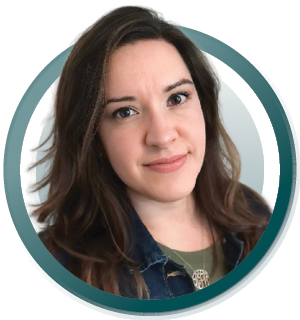
Rosemarie Flores, LPC, ACS
Licensed Professional Counselo
rRutgers University Behavioral Health Car
Rosemarie Flores is a Licensed Professional Counselor (LPC) and Approved Clinical Supervisor (ACS) with more than 15 years of experience in behavioral health, crisis intervention, program development, and clinical leadership. She currently serves as Program Manager at Rutgers University Behavioral Health Care, where she leads multidisciplinary teams providing mental health services to youth ages 3 to 21 and partners with schools, state agencies, and community organizations to expand access to care.
Throughout her career, Rosemarie has held leadership and clinical roles at Rutgers University Behavioral Health Care, Princeton House Behavioral Health, Puerto Rican Action Board, and Women Aware, specializing in psychotherapy, crisis stabilization, case management, and clinical supervision. She is a certified trainer in QPR [Question, Persuade, Refer approach to suicide prevention], Teen Mental Health First Aid, and Youth Mental Health First Aid, as well as a certified Spanish interpreter. Rosemarie earned her Master of Arts in Professional Counseling from Liberty University and is dedicated to advancing equitable, culturally responsive behavioral health services for children, adolescents, and families.
📖 Course Description
This session provides an overview of migratory grief and its impact on youth and families navigating relocation, separation, and cultural transition. Participants will explore how loss related to home, identity, language, family, and community can affect emotional well-being, behavior, and relationships. Through a trauma-informed and culturally responsive lens, the training will examine the intersection of migratory grief, acculturation stress, and developmental challenges, while offering practical strategies to support healing, resilience, and connection in clinical, school, and community settings
🎯 Learning Objectives
- Define migratory grief and identify its emotional, behavioral, and relational impact on youth and families.
- Explain how migratory grief intersects with trauma, acculturation stress, and developmental stages.
- Describe how culturally responsive and strengths-based strategies support youth and families experiencing migratory grief.
👥 Target Audience
Social Workers and Counselors
📊 Audience Level
Beginner, Intermediate, Advanced
🎓 Credits
1.0 Cultural Competency Continuing Education credit.
11:45 AM – 12:45 PM
Lunch & Vendor Browsing
Afternoon Breakout Sessions
1:00 PM – 2:00 PM
Session 2.1 Clinical Benefits of Artificial Intelligence in Behavioral Health Care
🎓 1.0 Clinical CE
Presenter:
Dennis Morrison, PhD
Owner
Morrison Consulting
More
Presenter
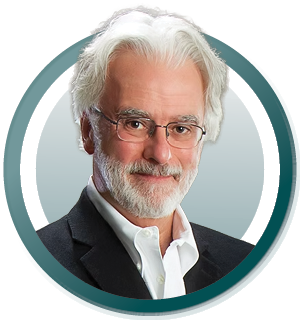
Dennis Morrison, PhD
Owner
Morrison Consulting
Dr. Dennis Morrison is the Owner of Morrison Consulting, which specializes in behavioral health information technology, clinical operations optimization and executive coaching. He is an experienced leader in behavioral health and social services. He currently serves as Chief Clinical Officer for Eleos Health. He served as the first Chief Clinical Officer for Netsmart Technologies, CEO of Centerstone Research Institute (CRI), and CEO of the Center for Behavioral Health (CBH), one of the merger partners that created Centerstone. Academically, Dr. Morrison holds Master’s degrees in Psychology and Exercise Physiology and a PhD in Counseling Psychology, all from Ball State University. In 2022, he was awarded the highest recognition given to alumni, the Distinguished Alumni Award, from his alma mater. The New Jersey Association of Mental Health and Addiction Agencies (NJAMHAA) awarded him its Excellence in Technology Leadership Award in 2026. Dr. Morrison served in the U.S. Navy as an Aerospace Physiologist and is a licensed pilot. Since age 70, he has completed 26 triathlons.
📖 Course Description
Artificial intelligence (AI) tools have been available to the behavioral health community for only about six years. In that time, much was written about their administrative and documentation benefits. However, enough time has passed and enough research has been done to demonstrate that AI also provides clinical benefits in, for example, measurable clinical outcomes and improved client engagement. This session discusses those results from two general perspectives - client-facing tools such as apps and chatbots and clinician-facing tools like ambient listening. Finally, the broader implications of using these tools for practicing clinicians will be examined.
🎯 Learning Objectives
- State two problems and two benefits affecting client-facing apps.
- Explain why using ambient listening tools can lead to improved client engagement and an improved therapeutic alliance.
- Describe how these technologies represent both threats and opportunities for practicing clinicians.
👥 Target Audience
Clinicians, Healthcare Managers
📊 Audience Level
Beginner, Intermediate, Advanced
🎓 Credits
1.0 Clinical Continuing Education credit.
1:00 PM – 2:00 PM
Session 2.2 The Social Determinants of Health Framework and Supporting Bodily Autonomy/Body Positivity in Minority Pediatric Patients
🎓 1.0 General CE
Presenter:
Patricia Palmer, DSW, LCSW
Behavioral Health Consultant
Rutgers University Behavioral Health Care - Center for Integrated Care
More
Presenter
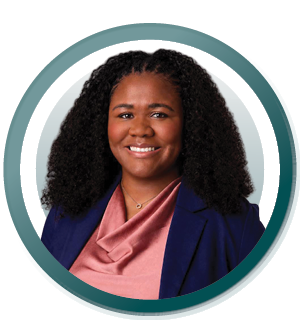
Patricia Palmer, DSW, LCSW
Behavioral Health Consultant
Rutgers University Behavioral Health Care - Center for Integrated Care
Dr. Patricia Palmer is a well-rounded clinician and scholar, having earned both her Doctorate and Master of Social Work degrees from Rutgers University. She brings an exceptionally diverse range of experiences and has a background working in various capacities with children and families in New Jersey for more than10 years. She has held many roles, including care manager, behaviorist, intensive in-home clinician, outpatient psychotherapist, and founder. Since 2021, Dr. Palmer has been working in an integrated healthcare setting as a Behavioral Health Consultant (BHC) at a Pediatric Specialty Medical Office. In this role, she serves as the behavioral health expert on a multidisciplinary team including physicians, registered dieticians, nurses, medical assistants, and more. As the inaugural and sole BHC at a specialty practice with 14 different pediatric specialties, Dr. Palmer consults and supports the behavioral health needs of patients in four departments: adolescent medicine, gastroenterology, rheumatology, and nephrology. She also supports the orientation, training, and supervision of various trainees in psychology, social work, and clinical mental health counseling across the Center for Integrated Care (CIC). Outside of this role at Rutgers-CIC, Dr. Palmer is the owner of Serenity Family Counseling Inc., a private practice focused on providing mental health services to Black and other minority families. Her practice has partnered with Building Blocks of Hope LLC., where she supervises social work clinicians.
📖 Course Description
In our current healthcare climate, weight-related conversations with pediatric patients are taking place most frequently in healthcare settings. These conversations also often occur within the context of broader social, cultural, and environmental influences that shape health behaviors, body image, and healthcare experiences. This presentation explores how integrated behavioral healthcare providers can use the Social Determinants of Health (SDOH) framework to promote bodily autonomy, body positivity, and culturally responsive care for minority pediatric patients while addressing obesity and other weight-related concerns. Participants will examine the relationship among SDOH, weight stigma, cultural identity, and healthcare disparities, and will learn practical strategies for incorporating strengths-based, family-centered, and developmentally appropriate interventions that clinicians can tailor to their own settings. Case examples and clinical applications will illustrate ways to foster patient engagement, reduce stigma, and support healthy behaviors without reinforcing weight bias.
🎯 Learning Objectives
- Describe how SDOH influence body image, bodily autonomy, health behaviors, and healthcare experiences among minority pediatric patients.
- List three evidence-based strategies for integrating body-positive, culturally responsive, and strengths-based approaches to support pediatric patients in integrated behavioral health practice.
- Define the SDOH framework related to clinical case examples and deliver patient- and family-centered interventions that promote healthy behaviors while minimizing weight stigma and supporting bodily autonomy.
👥 Target Audience
Integrated Healthcare Providers, Social Workers
📊 Audience Level
Beginner, Intermediate
🎓 Credits
1.0 General Continuing Education credit.
1:00 PM – 2:00 PM
Session 2.3 Diversion Support Services (DSS) Five-Phase Model: An Evidence-informed Operational Framework for Behavioral Health Diversion
🎓 1.0 Clinical CE
Presenter:
Benjamin-John Gonzales, LPC, LCADC, ACS
Vice President of Corporate Development and Outpatient Service
sLegacy Treatment Service
Warren Bopp, LPC, ACS, CCS
Division Director of Outpatient Service
sLegacy Treatment Service
More
Presenters
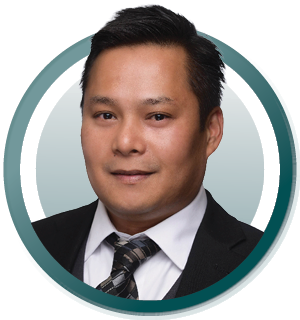
Benjamin-John Gonzales, LPC, LCADC, ACS
Vice President of Corporate Development and Outpatient Services
Legacy Treatment Services
Benjamin-John Gonzales, MA, NCC, LPC, LCADC, ACS, is Vice President of Corporate Development and Outpatient Services at Legacy Treatment Services, which is affiliated with the Woods System of Care. With more than 20 years of leadership experience in behavioral health, he has directed clinical, operational, and strategic initiatives across the continuum of care. His professional expertise includes integrated care, behavioral health system integration, medication-assisted treatment (MAT), clinical operations, strategic program development, justice diversion, and co-occurring disorders. He has led innovative community-based initiatives, including mobile behavioral health outreach units that expand access to services and strengthen partnerships across healthcare, behavioral health, and community organizations. His work focuses on advancing integrated systems of care through cross-sector collaboration, strategic partnerships, and innovative service delivery that strengthen service integration and improves health outcomes.
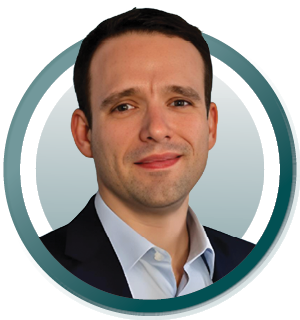
Warren Bopp, LPC, ACS, CCS
Division Director of Outpatient Service
sLegacy Treatment Service
Warren D. Bopp is Division Director of Outpatient Services at Legacy Treatment Services, which is affiliated with the Woods System of Care. He oversees outpatient behavioral health services, including clinical operations, program development, regulatory compliance, quality improvement, and strategic service development. Warren has extensive experience in integrated behavioral healthcare, co-occurring disorders, medication-assisted treatment (MAT), justice diversion, community-based service delivery, and system integration. He currently serves as a member of the New Jersey Division of Mental Health and Addiction Services Professional Advisory Committee (PAC) for Addictions. His work focuses on advancing integrated systems of care through interdisciplinary collaboration, strategic partnerships, and innovative service delivery that strengthen care coordination, improve quality, and expand access to behavioral healthcare across the continuum of care.
📖 Course Description
Behavioral health diversion programs require coordinated, multidisciplinary approaches that address clinical needs while promoting accountability, recovery, and community stability. This presentation introduces the Diversion Support Services (DSS) Five-Phase Model, an evidence-informed operational framework designed to guide structured diversion through phased progression, multidisciplinary collaboration, and coordinated clinical decision-making. Participants will examine the rationale for the model's development, its core components, implementation process, and practical application while exploring strategies to strengthen cross-system collaboration, enhance care coordination, and improve service integration across behavioral health and justice settings.
🎯 Learning Objectives
- Describe the rationale, core components, and five-phase progression of DSS Five-Phase Model for behavioral health diversion.
- Explain how multidisciplinary collaboration, structured operational review, and clinical decision-making support coordinated behavioral health diversion and cross-system care coordination.
- Identify implementation strategies for integrating phased progression, multidisciplinary case review, and coordinated care within behavioral health diversion programs.
👥 Target Audience
Behavioral Health Professionals
📊 Audience Level
Beginner, Intermediate, Advanced
🎓 Credits
1.0 Clinical Continuing Education credit.
2:00 PM – 2:30 PM
Afternoon Break & Vendor Browsing
2:30 PM – 3:45 PM
Plenary Session (2.P) Panel Discussion
🎓 1.25 General CE
Presenters:
Stephen Cha, PhD
Commissioner for Health Services
New Jersey Department of Human Services
Joseph Ribsam
Commissioner
New Jersey Department of Health
Raquel Mazon Jeffers
Deputy Commissioner
New Jersey Department of Health
More
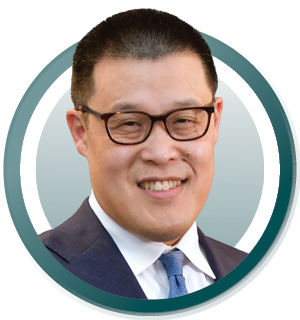
Presenters
Stephen Cha, PhD
Commissioner for Health Services
New Jersey Department of Human Services
Dr. Stephen Cha serves as the Commissioner of the New Jersey Department of Human Services, leading the state's largest agency, which provides health care, behavioral health, disability, aging, child and family, and economic assistance programs.
Before joining the Sherrill Administration, Dr. Cha served as Counselor to the U.S. Secretary of Health and Human Services, advising on major federal health initiatives and leading responses to national challenges, including COVID-19 and the infant formula shortage.
A nationally recognized leader in Medicaid policy, he previously served as Chief Medical Officer for a national health insurer, overseeing care for six million Medicaid and CHIP members, and held leadership roles at the Centers for Medicare & Medicaid Services. He also served on congressional committees and practiced primary care medicine at a Washington, DC, homeless shelter for more than a decade.
Dr. Cha earned his bachelor's degree from Brown University, his MD from the Brown University School of Medicine, and a master's degree in Health Services Research from Yale University School of Medicine.
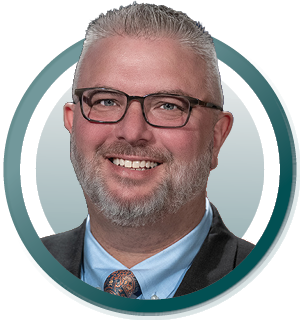
Joseph E. Ribsam. Jr., JD
Commissioner
New Jersey Department of Health
Joseph Ribsam serves as the Acting Commissioner of the New Jersey Department of Children and Families, bringing extensive experience in child welfare, behavioral health, and family services.
He began his career with the Department in 2008, advancing through leadership roles including Deputy Commissioner before serving as Director of New Hampshire's Division for Children, Youth and Families. There, he led initiatives focused on prevention, family support, children's behavioral health, and community-based alternatives to court involvement.
Prior to returning to New Jersey, Commissioner Ribsam served as Director of Child Welfare and Juvenile Justice Policy at the Annie E. Casey Foundation, where he led national policy initiatives to improve outcomes for children, youth, and families.
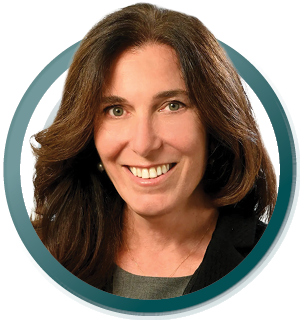
Raquel Mazon Jeffers
Deputy Commissioner
New Jersey Department of Health
Raquel Mazon Jeffers serves as Deputy Commissioner for Population Health branch of the New Jersey Department of Health (NJDOH), working to improve health outcomes and reduce disparities across New Jersey by addressing the social, environmental, and behavioral factors that influence health.
The branch consists of five divisions: Family Health Services, Health Access and Opportunity, Health Promotion, Nutrition and Developmental Services, and Syndemic and Substance Use Services.
Mazon Jeffers brings more than 30 years of experience leading public health initiatives at the state and national levels, with a focus on building more integrated, community-based, and equitable health care systems.
Prior to joining the Department, she served as Co-Director of the Community Health Acceleration Partnership, where she provided strategic guidance on modernizing the public health system. Earlier in her career, Mazon Jeffers spent 12 years with the New Jersey Department of Human Services, leading efforts around addiction services and mental health care that helped over 380,000 individuals annually.
Her work in maternal health and reproductive justice began with a Ford Foundation Fellowship and continued through her leadership in developing New Jersey's standard of perinatal care during the COVID-19 pandemic, now recognized as a national model. She has also spent ten years at The Nicholson Foundation, developing and funding initiatives to improve the health and well-being of under-resourced populations in New Jersey.
Mazon Jeffers holds a Master of Public Health and a Master of International Affairs, both from Columbia University, and a Bachelor of Arts in Philosophy and Dance from Connecticut College.
Raquel Mazon Jeffers lives in Hopewell, New Jersey with her husband, James Jeffers, and has two adult children.
📖 Course Description
As New Jersey navigates the implementation of H.R. 1 and its implications for Medicaid and the broader behavioral health safety net, this plenary panel brings together leaders from three key state agencies to discuss how cross-system collaboration can strengthen an integrated, resilient system of care.
Commissioner Dr. Stephen Cha (New Jersey Department of Human Services), Commissioner Joseph Ribsam or Deputy Commissioner Ruby Goyal-Carkeek (New Jersey Department of Children and Families), and Commissioner Dr. Raynard E. Washington (New Jersey Department of Health) will share their perspectives on aligning policy, funding, and provider partnerships to improve behavioral health outcomes across the state.
The discussion will explore the current landscape, emerging challenges, and opportunities to advance integrated care through stronger collaboration among government agencies, community providers, and stakeholders. Attendees will gain valuable insight into how New Jersey is working to build a more coordinated behavioral health continuum while responding to an evolving federal policy environment.
🎯 Learning Objectives
- Identify current and anticipated cross-system initiatives shaping New Jersey's behavioral health continuum.
- Describe how the Departments of Human Services, Children and Families, and Health are aligning policy, funding, and provider partnerships to strengthen integrated care.
- Discuss opportunities for cross-system collaboration in the context of H.R. 1 implementation and the current federal landscape for the state, providers and most importantly, for service recipients.
👥 Target Audience
All Levels
📊 Audience Level
Behavioral health professionals and organizational leaders.
🎓 Credits
1.25 General Continuing Education credits.
4:00 PM
Conference Adjourns
Our Sponsors
Showcase Sponsors
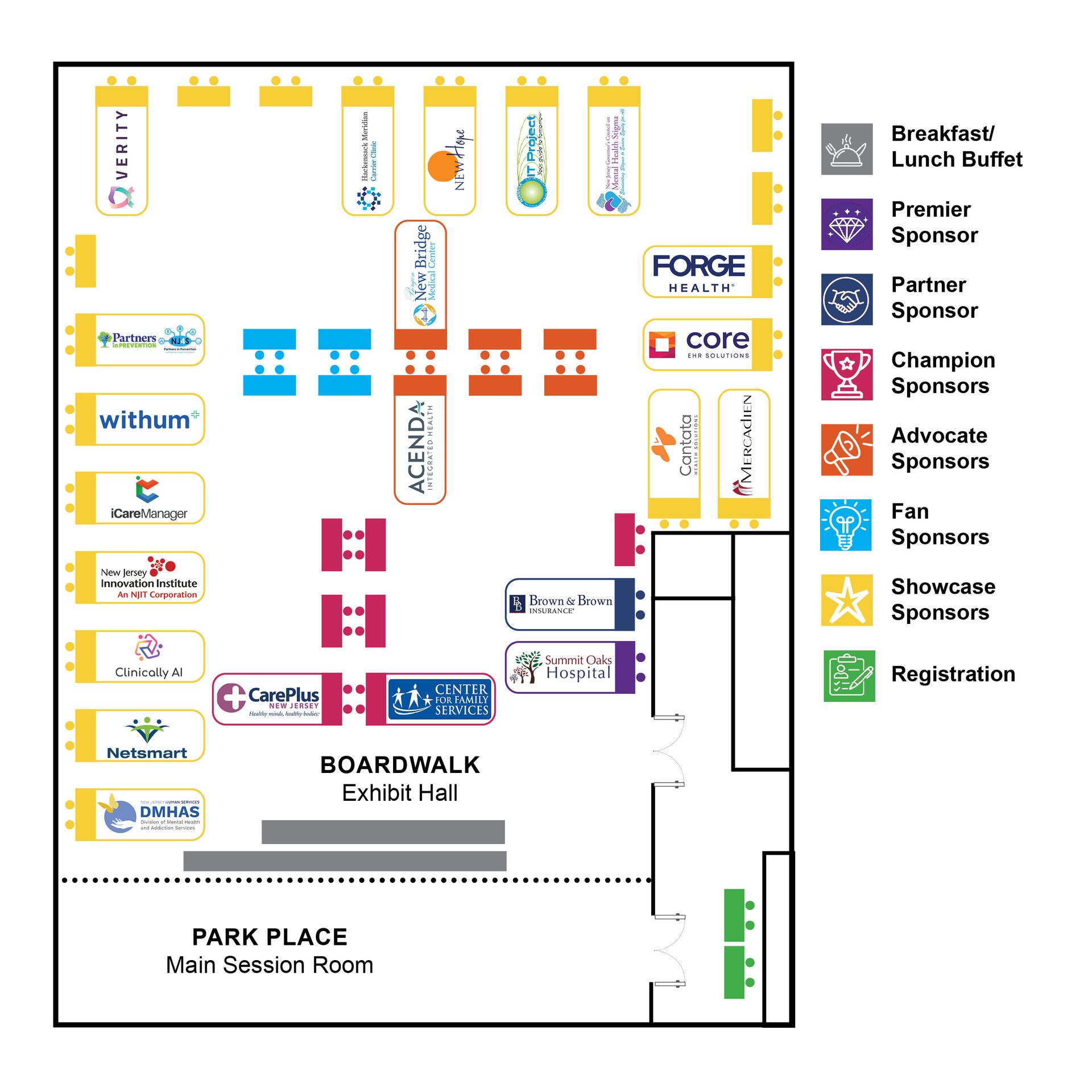
Exhibit Map
Hotel
NJAMHAA Fall Conference 2026 – Room Block Information
Conference Dates
October 19–20, 2026
Room Block Reservation Deadline
September 18, 2026
Rooms at the NJAMHAA discounted group rate are available for a limited time. We encourage attendees to make reservations early.
Event Location
APA Hotel Woodbridge
120 Wood Avenue South
Iselin, NJ 08830
Hotel Reservations
Reserve your room for the NJAMHAA Fall Conference 2026 at the APA Hotel Woodbridge using the conference room block.
To receive the NJAMHAA discounted rate:
- Visit the hotel reservation page below.
- Select “Group Attendee” from the drop-down menu.
- Enter the Group Code: NJOCT.
Reserve Your Room at the NJAMHAA Discounted Rate
Group Code: NJOCT
Need Assistance?
If you experience any difficulty making your hotel reservation, please contact:
Preeti Bhandare
Director of Sales & Marketing
APA Hotel Woodbridge
Direct: 732-603-7789
Main: 732-494-6200, Ext. 2228
Email:
preeti.bhandare@apahotelwoodbridge.com
Awards
Awards Coming Soon!

October 20, 2026 | 8:00 AM – 4:00 PM
APA Hotel Woodbridge, 120 Wood Avenue South, Iselin, NJ 08830
Staff Contact: Tara Shiffert | 📧 TShiffert@njamhaa.org | (609) 838-5488 x218 | (609) 780-3695 (cell)
Conference Schedule
October 20, 2026
Review the schedule for NJAMHAA’s Fall Conference, including registration, keynote, breakout sessions, plenary session, breaks, and CE opportunities.
Attendance Check-In/Out & Evaluations
Please remember to complete all required attendance tracking and evaluations to receive CE credit.
8:00 AM – 9:00 AM
Open Registration, Continental Breakfast & Vendor Browsing
9:00 AM – 9:15 AM
Welcome & Introduction
Speaker: Debra L. Wentz, PhD
President & Chief Executive Officer
New Jersey Association of Mental Health and Addiction Agencies, Inc. (NJAMHAA)
9:15 AM – 10:15 AM
Keynote Address (1.K)
1.0 General CE
Presenter: TBD
10:15 AM – 10:45 AM
Morning Break & Vendor Browsing
10:45 AM – 11:45 AM
Morning Breakout Sessions
Session 1.1
1.0 Clinical CE
Presenter: TBD
Session 1.2
1.0 Clinical CE
Presenter:
TBD
Session 1.3
1.0 Clinical CE
Presenter:
TBD
11:45 AM – 12:45 PM
Lunch & Vendor Browsing
1:00 PM – 2:00 PM
Afternoon Breakout Sessions
Session 2.1
1.0 Cultural Competency CE
Presenter: TBD
Session 2.2
1.0 Clinical CE
Presenter:
TBD
Session 2.3
1.0 Clinical CE
Presenter:
TBD
2:00 PM – 2:30 PM
Afternoon Break & Vendor Browsing
2:30 PM – 3:45 PM
Plenary Session (2.P)
1.25 General CE
Presenter: TBD
3:45 PM
Adjourns





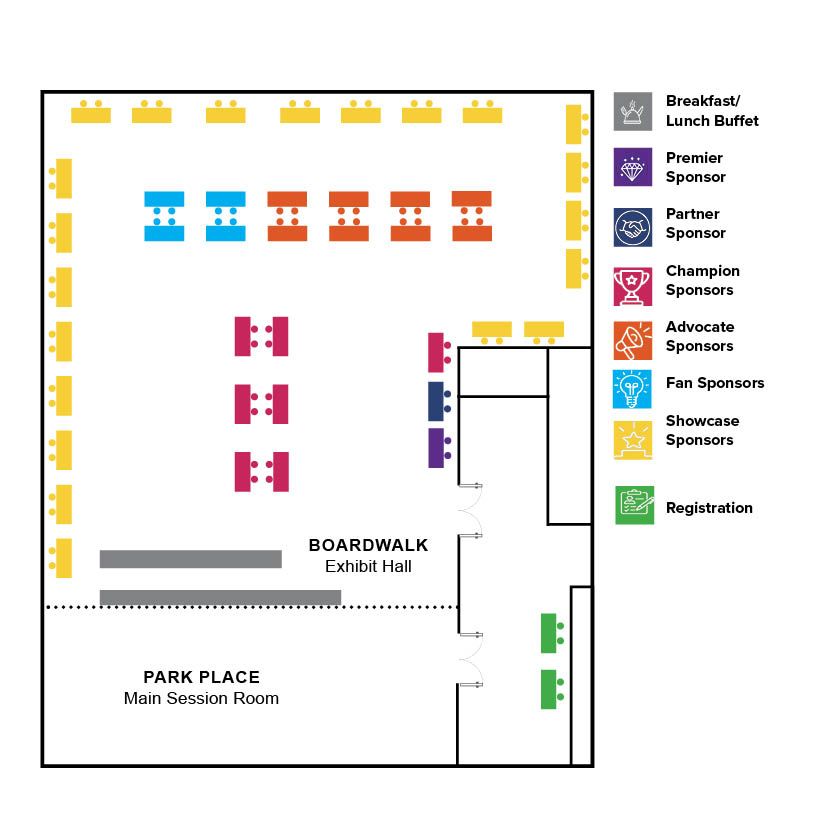
Exhibit Map
Stronger together. Better outcomes for all.
NJAMHAA is proud to serve as a trusted partner and advocate for agencies and the communities they serve.